What is a stockist? Stockists, retailers and wholesale accounts explained
What is a stockist?
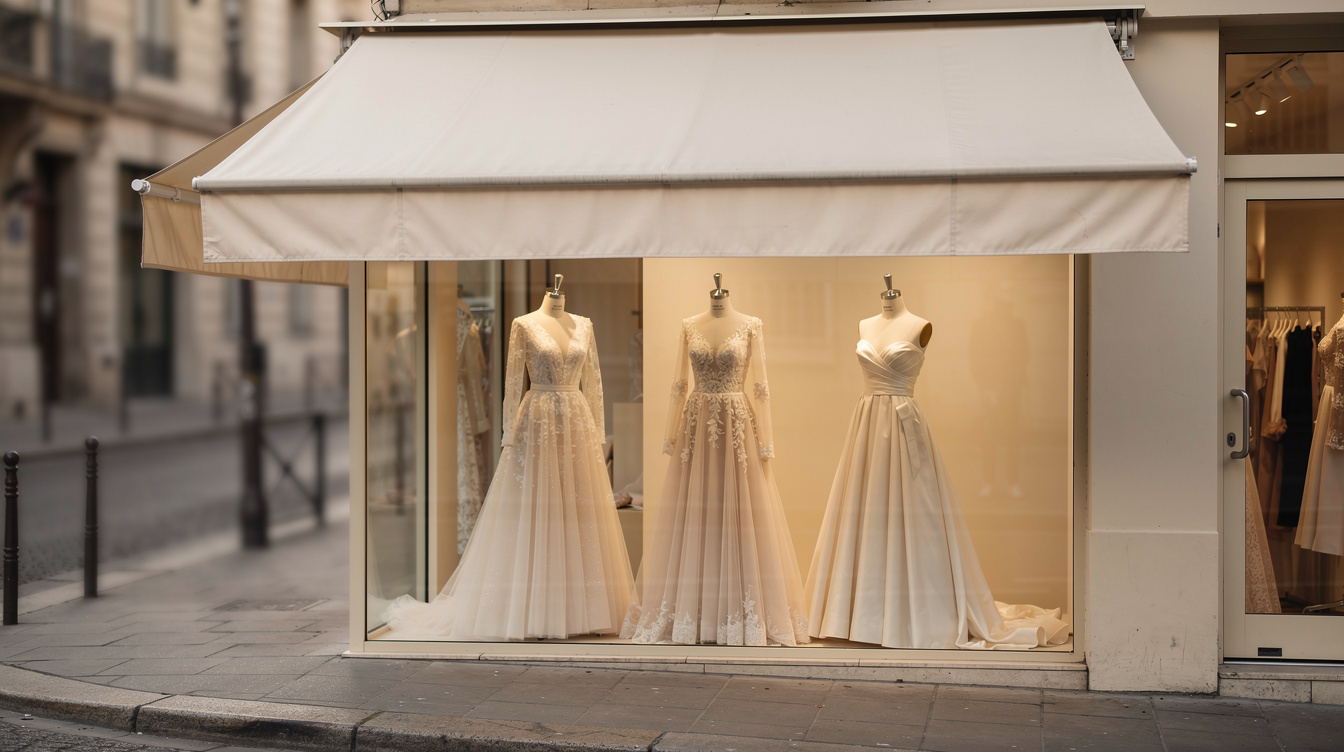
A stockist is a retailer that stocks and sells a particular brand's products — the boutique that carries your label, buys from you at wholesale prices, and sells to the public at retail. The word is standard in British and Commonwealth trade English; American English usually says "retailer" or "dealer" for the same relationship. When a brand's website lists "stockists", it is telling customers where to buy the products in person.
Simple enough as a definition — but the stockist relationship is the entire architecture of wholesale fashion, and the terms around it (stockist, retailer, distributor, agent, concession, consignment) get muddled constantly. This guide untangles the vocabulary, explains how the relationship works commercially from both sides, and walks through how labels find, approve and keep good stockists.
Stockist vs retailer vs distributor vs agent
- A stockist is a retailer with a trading relationship with a specific brand: they buy the brand's goods wholesale, own that stock, and resell it. "Stockist" describes the relationship to the brand; "retailer" describes the business model in general. Every stockist is a retailer; a retailer is only *your* stockist once they carry your line.
- A distributor buys in bulk and resells to retailers, typically holding exclusive rights to a territory. Distributors sit between brand and stockist, take their own margin, and make sense when a brand enters a market it cannot service directly.
- An agent sells on the brand's behalf for commission but never owns the stock. Orders the agent writes are between the brand and the stockist; the agent is paid a percentage for making the introduction and working the territory.
- A concession is a shop-within-a-shop: the brand trades inside a larger store's space, usually paying a revenue share, and typically still owns the stock.
- Consignment (sale or return) puts the brand's stock in the retailer's shop while the *brand* keeps ownership until a sale happens. It transfers the risk to the label and is generally a sign of an unequal negotiation — established labels avoid it except for genuinely experimental placements.
The classic independent-label journey runs: direct sales first, then stockists won one by one, then perhaps agents for far territories — with distributors reserved for serious export volume.
How the stockist relationship works commercially
At its core: the stockist buys at your wholesale price and sells at retail, and the difference funds their business. (For the arithmetic of that gap — markup, margin and the keystone convention — see our wholesale pricing guide.) Around that simple trade sits a set of terms that define the real relationship:
- Trade terms — the stockist's discount off your list price, their payment terms (pro-forma at first, account terms as trust builds), and their VAT treatment.
- Territory and exclusivity — many boutiques will ask for protection: no second stockist within so many miles. Sensible labels grant narrow, earned exclusivity and review it against performance.
- Minimums — a first-order minimum to establish the account seriously, and sometimes seasonal minimums to hold it. (More in our guide to minimum order quantities.)
- Samples — in made-to-order categories like bridal, the boutique buys or part-funds sample gowns for the shop floor, and customer orders are then made fresh against each sale. Which samples sit on which shopfloor is core commercial data for the label.
- Brand standards — how the product is presented, photographed and discounted. Reasonable stockist agreements protect the label from ending up in a permanent sale rail.
What stockists actually want from a label
Boutiques take real risk on every label they carry: open-to-buy is finite, rail space is finite, and a range that does not sell is a season's margin gone. The labels that keep stockists long-term tend to deliver the same five things:
- Sell-through, obviously — product their customers actually buy, at a retail price with honest margin in it.
- Reliable delivery — in made-to-order categories, a promised date that holds. A boutique that promises a bride a June gown is staking its own reputation on your production schedule.
- Easy ordering — a clear line sheet, current prices, and a way to place and track orders that does not require a phone call. Increasingly this means a trade portal where the boutique sees its own prices and its orders' live status; it is precisely the experience gap between labels that feel professional to buy from and labels that feel like homework.
- Support between orders — imagery they can use, training on the product, a human who answers.
- Fair dealing on territory and terms — no surprise second stockist across the road, no better discount quietly handed to a rival.
How labels find stockists (and stockists find labels)
Trade shows remain the engine — a season's worth of buyer meetings in a weekend, and for bridal specifically the fixed calendar of shows is where most new accounts begin (our notes on working that circuit are in selling wholesale wedding dresses).
Direct approach, in both directions: labels research boutiques whose rails they belong on and write to the buyer; boutiques discover labels on social media and ask to stock them. Both work better with preparation — a label should have its line sheet, trade terms and lead times ready before the first conversation, because "how do we order?" is always the second question.
A become-a-stockist page turns inbound interest into a pipeline instead of an inbox thread. The strongest version captures the boutique's details in a structured application — shop name, location, web presence, the brands they already carry — so the label can assess fit before anyone books a call. (On Labels.io, this form ships as part of the label's own portal domain, and applications land directly in the studio's stockist list ready to approve and invite.)
Approving a stockist deserves the same care as courting one. The questions that matter: does their customer match yours, does their price architecture fit your RRP, who else do they carry (their brand mix positions you), and — bluntly — will they pay on terms. A polite decline early beats a bad-debt conversation later.
Onboarding a new stockist properly
The first weeks set the tone for years. A clean onboarding covers:
- Terms in writing — discount, payment terms, delivery expectations, returns position, territory understanding. Boring, and priceless the one time it matters.
- The trading toolkit — current line sheet, imagery pack, size charts, and access to whatever system takes orders. If that system is a portal, the boutique should be able to sign in, see their own prices and place a first order the same week; a guided first login (accept the terms, confirm shop details, learn the ordering flow) removes the awkward "so how does this work?" phase entirely.
- The first order — often samples in made-to-order categories, sized to the minimums, with the delivery promise made carefully and kept visibly.
- A named contact — relationships keep accounts; ticketing systems do not.
Keeping stockists: the unglamorous truth
Stockist churn is rarely dramatic. Accounts fade — a season skipped, an order halved — usually for operational rather than product reasons: prices that arrived stale, orders that needed chasing, deliveries that surprised. The retention levers are correspondingly unglamorous:
- Make reordering effortless. The gown that sold on Saturday should be reorderable in one click on Monday, at current prices, without an email.
- Keep them informed without being asked. Order status that updates itself — confirmed, in production, dispatched — replaces the "just chasing this" emails that erode goodwill on both sides.
- Run the money cleanly. Invoices on the agreed terms, statements they can see, no surprises. (The money mechanics of wholesale covers the terms taxonomy.)
- Notice their numbers. Which stockist is growing, which is quietly shrinking, which styles move where — a label that watches its stockist league table has renewal conversations a season earlier than one that does not.
It is not lost on us that this list describes a trade portal's feature set — a branded ordering site, live order tracking, one-click reorder, per-account invoicing and stockist analytics is exactly the machinery Labels.io exists to provide, with the label's own name on every screen of it. The Jane Aston Bridal case study shows the whole relationship — application form to first order to production tracking — running on the label's own domain.
Quick answers
Is "stockist" the same as "retailer"? A stockist is a retailer viewed from the brand's side of the relationship: the retailer that stocks *this* brand. All stockists are retailers; only the ones carrying your label are your stockists.
Do stockists own the stock they buy? Yes — that is the defining difference from consignment and concession models. The stockist buys wholesale, owns the goods, and keeps the retail margin.
How many stockists should a label have? As many as it can supply *well*. Every account carries service load — orders, deliveries, communication, samples. Ten thriving boutiques beat thirty neglected ones, and territory promises cap density anyway.
What does a stockist agreement cover? Terms (discount, payment, delivery), territory, minimums, brand presentation standards, and how either side exits cleanly. Short and written beats long and assumed.