Notes and updates.
Occasional writing on what we are building, thinking about, and learning along the way.
Selling wholesale wedding dresses: how bridal labels win and keep stockists
Bridal wholesale is a sample-and-order market of long relationships and hard dates. The playbook for winning boutique stockists — trade shows, direct outreach, inbound capture — and the operational moat that keeps them.

The bridal label’s guide to selling wholesale online
Bridal wholesale is the hardest version of B2B fashion: every order carries a bride, a wedding date and a page of customisations. Here is what a system has to get right before your boutiques will actually use it.
What is a line sheet? The fashion label’s complete guide
The wholesale document every buyer expects, explained end to end: what goes on it, how to build one, examples by category, the mistakes that cost orders — and the point at which a static document stops being enough.

Wholesale pricing for fashion labels: keystone, markup vs margin, and the formulas
The price chain from cost to retail, the markup-versus-margin distinction that costs real money, what keystone means today, and the structural pricing — size matrices, options, per-retailer terms — the textbooks skip.
What is a stockist? Stockists, retailers and wholesale accounts explained
Stockist, retailer, distributor, agent, concession, consignment — the vocabulary untangled, and how the stockist relationship really works: terms, territory, onboarding and the unglamorous art of keeping accounts.

Wedding dates are deadlines: managing production risk in made-to-order
A status column tells you where an order is. It cannot tell you whether that is good enough for a wedding in nine weeks. How made-to-order labels rank work-in-progress by real risk.
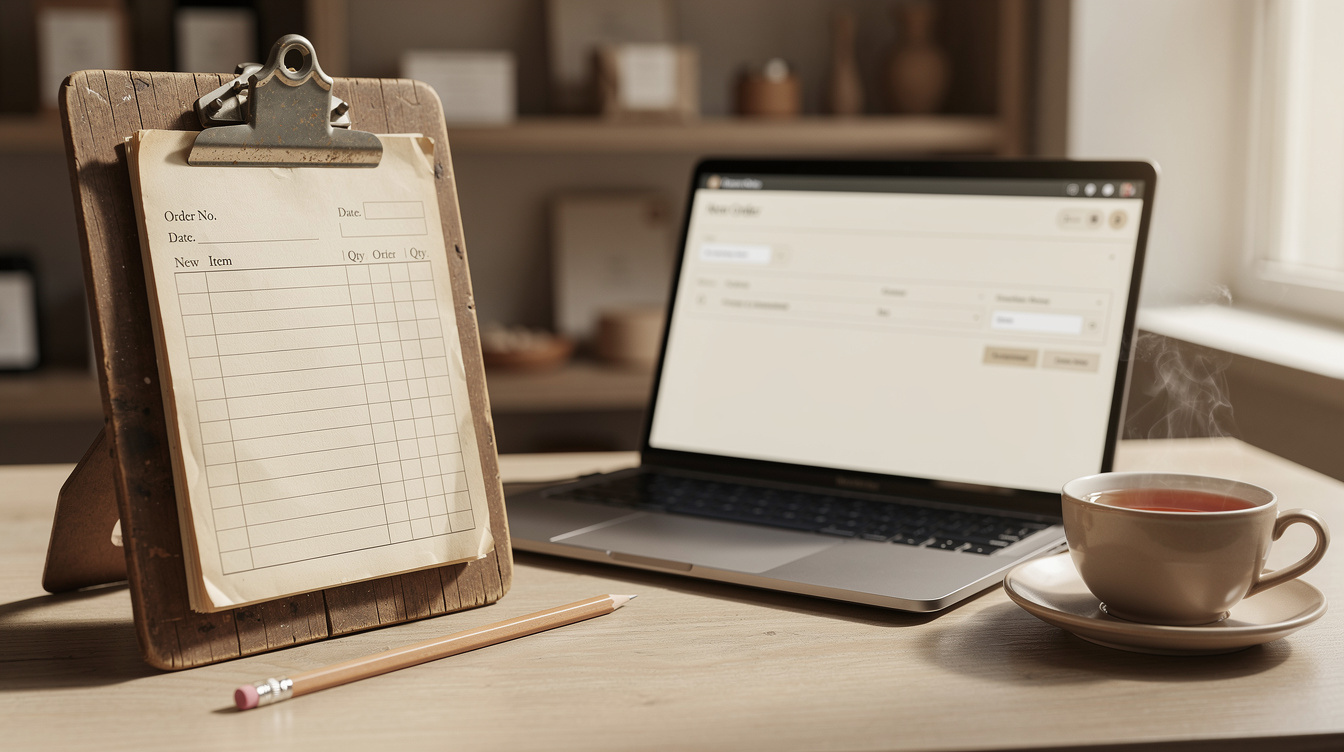
The wholesale order form: from carbon paper to ordering portal
Paper pads, PDFs, spreadsheets, web forms and portals — what each format really costs, what any order form must capture, and the questions that separate a wholesale ordering system from a web form with a logo.

Made to order, made to measure, bespoke: what they mean in bridal
Three terms fashion uses loosely, defined precisely — and the operational, pricing and information differences that flow from each rung of the personalisation ladder.

From line sheet to live portal: what a catalogue import actually involves
Your catalogue already exists — as a line sheet, a price workbook and a folder of photography. Getting it online is a data job, and the standard it has to meet is "agrees with the workbook, to the penny".

Minimum order quantities in fashion wholesale: how to set MOQs (and when not to)
Why MOQs exist, the shapes they take up and down the supply chain, how to set stockist minimums that build accounts — and why made-to-order categories largely replace them with sample commitments and lead-time pricing.

How to open a bridal shop: the honest guide
The sample model, the money cycle, getting labels to stock you, and the operating habits that separate calm boutiques from chaotic ones — written from the trade side of the counter.

Deposits, pro-formas and 30-day accounts: the money mechanics of wholesale
Wholesale money is relationship money — every boutique on its own terms, settled by bank transfer. Why the paperwork should be automatic precisely because the terms are personal.
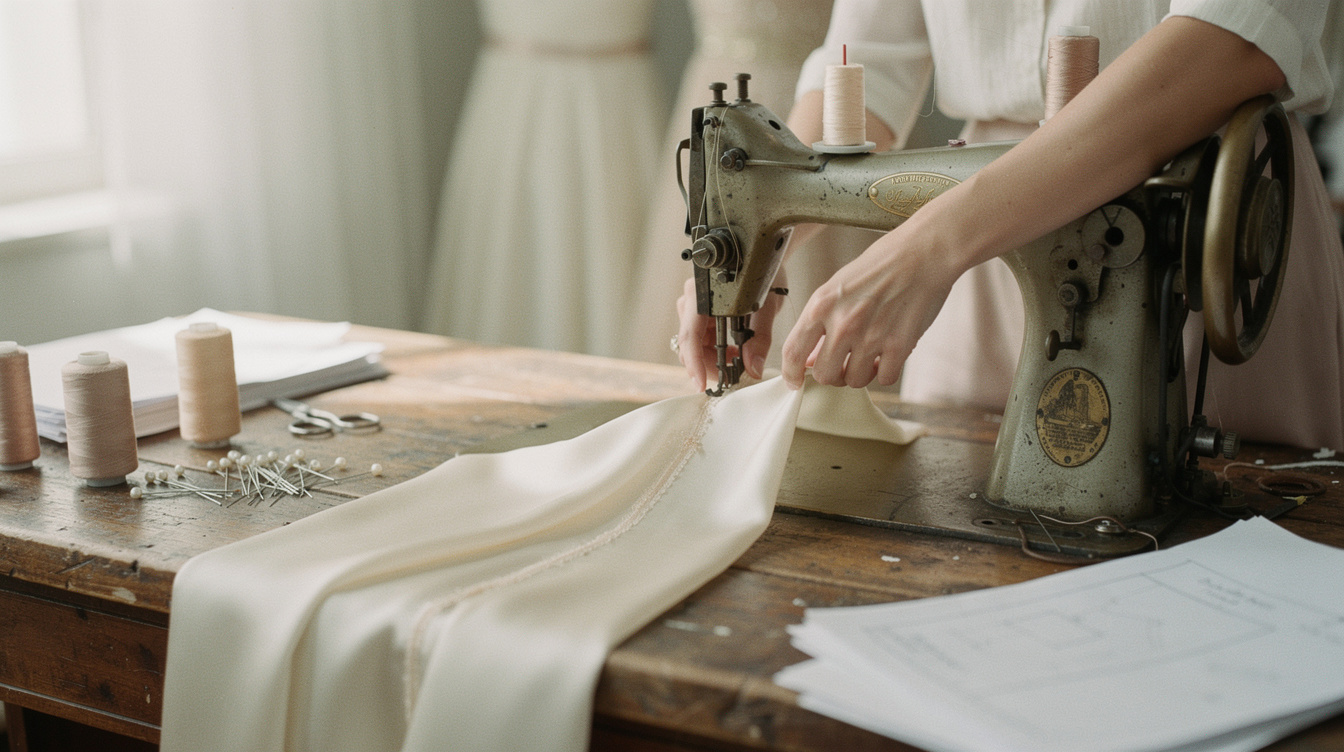
Your factory shouldn’t need a login
The best production handoff is the one nobody has to be trained on. How confirmed orders reach the factory as a price-masked spec they can read, print and acknowledge - without an account.

Your stockists still order by spreadsheet. Here is what that costs.
The workbook that runs your wholesale channel is quietly expensive - in re-keyed orders, stale price lists and phone calls that should never happen.

What a trade pricing engine actually has to get right
Per-retailer discounts, size surcharges and VAT sound simple until you compute them a thousand times and expect every total to match to the penny.

White-label, and why it matters for a growing label
Your retailers should feel like they are ordering from you - not from a piece of software with someone else's name on it.